IL TEATRO DELLA SOFFERENZA METODO DI VINCENZO CIRILLO
PRIMO MANIFESTO 8/05/ 1989
Un opera teatrale (o qualsiasi altra opera d’arte) d’immenso valore non puo’ nascere dalla gioia, ma soltanto dal dolore e non parlo di dolore fisico ma quello spirituale interiore.
La sofferenza innalzerà la creazione dieci, mille volte di più di un atto di gioia.
Il teatro non puo’ essere il riflesso della vita, non è uno specchio ma uno spazio al di fuori della vita.
Tutto sulla scena si trasforma , diventa qualcosaltro . Ora, il dolore , la sofferenza della vita non puo’ essere lo stesso del teatro, perché tutti possiamo soffrire nella vita ma non a tutti è concesso di soffrire sulla scena , parlando ovviamente di una sofferenza spiritualmente elevatrice e allo stesso tempo liberatrice.
Esiste l’Uomo ed esiste l’Attore.
Nel teatro della sofferenza l’uomo è bandito, il personaggio è bandito, l’attore stesso é bandito , resta un corpo che appare de-animato , un manichino, un maichino umano ed essendo umano ha anima, uno spirito.
(L’attore definito Astante)L’astante sa perfettamente (dopo ore di prove )quello che deve fare ma non capisce perchè (finché non raggiungera dopo ore di prove, una propria consapevolezza, indipendente dalla partizione e inscrivera in se il senso che si è dato lui stesso e lo condurra fino alla fine) come l’uomo nella vita, vivrà sulla scena nel dubbio, cercando per sempre la ragione delle sue azioni e non riuscirà a trovarla con una assoluta certezza.
L’essere (che chiamero’ L’ASTANTE) non guarda, non osserva , non declama , sta chiuso nel suo silenzio e non partecipa a quello degli altri astanti che agiscono con lui , sta con gli occhi al suolo e non leva Mai! Lo sguardo , danza ma non sa danzare.
Comunica attraverso il gesto ma non a gli altri , solo a se stesso, si parla e non parla mai a nessun altro che a se stesso , è solo pur circondato da altri astanti e gli Astrusi (L’astruso e una persona che assiste passiva, ma presente, non ci piace l’idea d’un pubblico, meglio la gente) l’astantenon deve mostrare nessuna emozione (Anche se è certo che la prova), nessuna espressione facciale, deve tradire o mostrare un emozione, mai! L’astante non sa mai dove si trova e non conosce gesti e movimenti ed intenzioni degli altri astanti intorno a lui.
Nel teatro della sofferenza è bandito il protagonismo assoluto, tutti sono comprimari e protagonisti allo stesso tempo, al servizio dell’intenzione delle azioni che sono richieste nel testo.
L’autore(che chiamero coordinautore) non pratica un teatro di parola dove la storia è dittatoriale, l’intenzione è aperta alla libera interpretazione sia degli astanti che degli Astrusi che verranno ad assistere all’atto che si consuma sotto i loro occhi, la musica per ogni scena diversa, delle luci sono leggere tra luci ed ombre, luci calde e qualche frase suggeriranno un emozione, un’atmosfera( Rabbia-Amore-passione-odio-Pietà ecce cc..
Non é libero il percorso degli astanti che devono subire il potere della conoscenza dell’intenzione per ogni scena, tutte le azioni e i movimenti corporali i gesti dovranno essere identici per ogni atto davanti gli Astrusi.
L’Astruso per l’Astante non esiste, non puo’ esistere , non deve esistere, deve resistere alla tentazione di vederlo, guardando il suolo é fuori dalla sua portata, Lo sguardo dell’astruso è sentito su di se, ma non ce scambio, quindi non ce , non esiste per lui ma avverte una presenza imbarazzante per lo stato di assoluta solitudine in cui si trova, è come spiato, osservato all’inizio, ma poi diventa un isieme di conversazione e di attesa. Se é vero che l’entusiasmo é trasmissibile anche la sofferenza e l’emozione che provoca lo sarà trasformandosi in pathos.
METODO
Solo L’iniziatore del progetto conosce la partizione generale, i gesti, le parole, gli spostamenti, gli oggetti rivali che si contrapporranno all’astante, le luci, la musica. Dividerà le partizione in 4/5/6 o più, secondo gli astanti necessari all’atto unico e a questi singolarmente farà ripetere la propria partizione personale cosi ognuno non conoscerà quella degli altri , solo quando ogni partizione personale sarà appresa singolarmente gli astanti ripeteranno insieme e scopriranno che portando un piatto (Esempio) in un punto preciso un altro astante lo prendera per farci qualcosa e cosi via per altri
oggetti, vestiti, elementi, le frasi dette dagl’astanti non saranno ne domande, ne affermazioni, non ci saranno dialoghi e quindi risposte tra gli astanti, ma frasi tutte indipendenti una dall’altra, saranno come immagini atratte ma dirette ad interrogare l’astruso e forse fargli cercare il senso.
Le immagini arcaiche con rituali antichi o moderni, riconoscibili per la maggioranza di chi assiste in sala( il pubblico come comunemente viene definito, qui chiamati ASTRUSI).
Gli astanti agendo intimamente nella loro solitudine non faranno mai espressioni facciali, marionette umane, maschere neutre, non tradiscono mai alcuna emozione, guardano sempre i propri piedi e i piedi degli altri astanti (questo evieterà di mettersi in linea e di coprirsi l’uno e l’altro in modo che il pubblico veda sempre tutto e questo eviterà anche di urtarsi se non voluto espressamente) I movimenti saranno ripetuti almeno tre volte, ogni gesto, ogni frase diversa(siccome agiscono separatamente fisicamente, questo eviterà che lo spettatore non perda nemmeno un gesto di ognuno degli astanti presenti in quel momento nell’azione).
Ogni volta che diranno delle frasi in modo neutro seguiranno un ordine : Uno poi due poi tre ecc ecc ripeteranno per tre volte di seguito questo ordine di una frase per astante.
La parte centrale dell’atto è il corpo dell’astante(L’astante ritorna ad essere il centro della scena, del cosmo, dell’azione), la musica ha un senso emozionale, le luci delimita lo spazio e conduce, gli oggetti sono anche loro degli astanti : l’astante si muovera sempre allo stesso modo (che è poi quello dell’uomo che si agità nella vita sua reale) nello spazio scelto per l’azione ora lento ora rapido, gli oggetti saranno i collanti per gesti e i movimenti in duo in trio ecc.. ecc
IL TEATRO DELLA SOFFERENZA è un teatro d’emozione, estetico, di comunicazione interiore tra gli astanti e gli astrusi ( Come se gli Astanti e gli Astrusi fossero sordi e grazie alla comunicazione interiore comunicassero tra loro).
NON OBBLIGATORIO ma preferibile : Che ogni costume, oggetto, suppellettile, venga dalla vita vera o degl’Astanti stessi o di persone a loro care, che siano vive o decedute o che siano comunque gia stati usati da qualcuno in teatro o nella vita.
SPETTACOLO DI RIFERIMENTO » MENTE/ESPRIT » di Vincenzo Cirillo
THE THEATRE OF SUFFERING: THE METHOD OF VINCENZO CIRILLO
FIRST MANIFESTO 8 May 1989
Theatre of Suffering: Vincenzo Cirillo’s Method, 1989
A play (or any other work of art) of immense value cannot arise from joy, but only from pain – and I am not speaking of physical pain, but of inner spiritual pain.
Suffering will elevate a creation ten, a thousand times more than an act of joy.
Theatre cannot be a reflection of life; it is not a mirror but a space outside of life.
Everything on stage is transformed, becomes something else. Now, the pain, the suffering of life, cannot be the same as that of the theatre, because we can all suffer in life, but not everyone is granted the chance to suffer on stage – speaking, of course, of a suffering that is spiritually uplifting and at the same time liberating.
There is the Man and there is the Actor.
In the theatre of suffering, the man is banished, the character is banished, the actor himself is banished; what remains is a body that appears lifeless, a mannequin, a human mannequin, and being human, it has a soul, a spirit.
(The actor defined as the Bystander) The bystander knows perfectly well (after hours of rehearsals) what he must do but does not understand why (until, after hours of rehearsal, he attains his own awareness, independent of the script, and internalises the meaning he has given himself, which will carry him through to the end) just as man in life, he will live on stage in doubt, forever seeking the reason for his actions and never managing to find it with absolute certainty.
The being (whom I shall call THE BYSTANDER) does not look, does not observe, does not speak; he remains shut within his own silence and does not share in that of the other bystanders acting alongside him; he keeps his eyes fixed on the ground and never once lifts his gaze; he dances but does not know how to dance.
It communicates through gesture but not to others, only to itself; it speaks but never speaks to anyone other than itself; it is alone even whilst surrounded by other bystanders and the Astrusi (the Astruso is a person who watches passively yet is present; we do not like the idea of an audience, ‘people’ is better). The bystander must show no emotion (even though it is certain that it feels it), no facial expression; they must never betray or show an emotion, ever! The bystander never knows where they are and is unaware
of the gestures, movements and intentions of the other bystanders around them.
In the theatre of suffering, absolute protagonism is banned; everyone is both a supporting actor and a protagonist at the same time, serving the intention of the actions required by the text.
The author (whom I shall call the co-director) does not practise a form of spoken theatre where the narrative is dictatorial; the intention is open to free interpretation by both the onlookers and the Astrusi who come to witness the act unfolding before their eyes. The music is different for each scene; the lighting is subtle, playing on light and shadow, warm lights and a few lines of dialogue will suggest an emotion, an atmosphere (Anger-Love-Passion-Hate-Pity, etc.).
The bystanders are not free; they must submit to the power of knowing the intention behind each scene. All actions, bodily movements and gestures must be identical for every act performed before the Astrusi.
The Astruso does not exist for the Spectator; he cannot exist, he must not exist; the Spectator must resist the temptation to see him; looking at the ground is beyond his reach, The Astruso’s gaze is felt upon them, but there is no exchange; therefore, it does not exist for them, yet they sense an awkward presence due to the state of absolute solitude in which they find themselves. It is as if they are being spied upon, observed at first, but then it becomes a blend of conversation and waiting. If it is true that enthusiasm is contagious, so too are the suffering and emotion it provokes, transforming into pathos.
METHOD
Only the project initiator knows the overall choreography, the gestures, the words, the movements, the rival objects that will be set against the participant, the lighting and the music. They will divide the part into 4, 5, 6 or more sections, depending on the number of participants required for the single act, and will have each participant repeat their own personal part individually so that no one knows the others’ parts; only when each personal part has been learnt individually will the participants repeat them together and discover that by bringing a plate (for example) to a specific point, another participant will take it to do something with it, and so on for other
objects, clothes, elements; the phrases spoken by the participants will be neither questions nor statements; there will be no dialogue and therefore no responses between the participants, but phrases entirely independent of one another; they will be like images drawn together yet aimed at questioning the outsider and perhaps making him seek their meaning.
Archaic images featuring ancient or modern rituals, recognisable to the majority of those present in the hall (the audience, as they are commonly defined, here referred to as ASTRUSI).
The bystanders, acting entirely within their own solitude, will never make any facial expressions; human puppets, neutral masks, never betraying any emotion, always looking at their own feet and the feet of the other bystanders (this will prevent them from lining up and blocking each other’s view, ensuring the audience always sees everything, and will also prevent them from bumping into one another unless expressly intended) The movements will be repeated at least three times, with each gesture and each phrase differing (as they act physically separately, this will ensure the spectator does not miss a single gesture from any of the bystanders present at that
moment in the action).
Each time they utter phrases in a neutral manner, they will follow an order: one, then two, then three, and so on, and
they will repeat this sequence of one phrase per bystander three times in succession.
The central part of the act is the bystander’s body (the bystander returns to being the centre of the stage, of the cosmos, of the action); the music has an emotional significance; the lighting defines the space and guides it; the objects are also bystanders: the bystander will always move in the same way (which is, in fact, that of a man who is restless in his real life) within the space chosen for the action, now slow, now rapid; the objects will serve as the glue for gestures and
movements in duos, trios, etc., etc.
THE THEATRE OF SUFFERING is a theatre of emotion, aesthetics, and inner communication between the
spectators and the outsiders (as if the spectators and the outsiders were deaf and, through inner communication, were able to communicate with one another).
NOT MANDATORY but preferable: That every costume, object or prop comes from real life, either
from the Spectators themselves or from people dear to them, whether living or deceased, or that they have in any case already been
used by someone in theatre or in life.
REFERENCE PRODUCTION: ‘MENTE/ESPRIT’ by Vincenzo Cirillo


4/31 MARZO 2026 vent’anni di ITALIART, il festival italiano dei sognatori ad occhi aperti
Teatro, Concerti, Opera, Letteratura, Poesia, Performance, Pittura, Grafica, Fotografia, Gastronomia, Enologia, Moda
L’ITALIART festival di Digione in Francia compie vent’anni in marzo 2026, per l’occasione ribattezzato : 20° Italiart il festival italiano dei sognatori ad occhi aperti.
ITALIART è un evento importante che dura tutto il mese di marzo dal 4 marzo al 31 marzo 2026 con un ventaglio notevole di proposte culturali ed eno-gastronomiche, seguito da tutti gli amanti del bel paese che nei concerti, opera, teatro, letteratura, performance, esposizioni registra il tutto esaurito, si svolge nel cuore di Dijon capitale della Regione Borgogna Francia-Comtea famosa per i suoi vini pregiati, formaggi, e la mostarda e la ricchezza storica del suo centro citta, il festival italiano organizzato da vent’anni dall’associazione ombradipeter e la coordinazione artistica dall’ex presidente del Comites di Parigi, Vincenzo Cirillo.
I luoghi dove si svolgono gli spettacoli e le esposizioni sono Hotel particolari datati 1600 Cellier del 1100, Halles Storiche del mercato e teatri.
Italiart per il terzo anno consecutivo in collaborazione con la camera di commercio italiana di Lione presentera sulla Place Darcy in piena porta d’etrata su Dijon davanti all’arco di trionfo, un villaggio Italiano con produttori provenienti da tutte le regioni italiane con i prodotti fari della gastronomia che contribuiscono alla popolarità e alla qualità del Made in Italy. Non solo cibo, il pubblico locale ed internazionale (Citta molto turistica) potrà trovare moda, enologia, bigiotteria di Murano.
Il festival si presenta cosi:
vent’anni di ITALIART, il festival italiano dei sognatori ad occhi aperti Teatro, Concerti, Opera, Letteratura, Poesia, Performance, Pittura, Grafica, Fotografia, Gastronomia, Enologia, Moda ecc,ecc… Il ventesimo Italiart di Digione è il festival dei sognatori ad occhi aperti, di coloro che sono rimasti bambini nell’anima.
Il festival delle persone che guardano con il cuore e con i sentimenti. Italiart ha vent’anni, è sempre sorridente e gioioso e cerca di portare un po’ di allegria in un mondo che si chiude sempre più su se stesso. I suoi artisti, i suoi amici, le persone che lo frequentano ogni anno, cercano una stretta di mano, un abbraccio e qui li trovano con il cuore, il calore di sempre che caratterizza questo evento. In Italiart, la simbiosi, la reciprocità, la vicinanza tra il palcoscenico, gli artisti e il pubblico crea quella magia inspiegabile, che fa che la cultura con la C maiuscola si trasforma in festa,riflessione, poesia.
In questo festival italiano dei sognatori ad occhi aperti c’è viaggio universale, senza divisioni, senza muri, senza barriere, ma con tanta qualità artistica, umana, creativa. Anche in questa ventesima edizione, non ci mancherà nulla per essere felici, spensierati e impegnati durante il mese di Italiart per riuscire a prendere paacere con il teatro, l’opera, la letteratura, la poesia, la musica, la pittura, la grafica, la fotografia, la gastronomia, l’enologia, la simpatia e soprattutto la semplicità!
Il programma completo è qui: https://www.ombradipeter.com/20-italiart-le-festival-italien-de-dijon-de-reveurs-eveilles-431-mars-2026/
DIODATO A ITALIART : https://www.youtube.com/watch?v=QI_cDp762BY
BOBO RONDELLI A ITALIART: https://www.youtube.com/watch?v=50AUfasxNGI
4/31 DE MARZO DE 2026 Veinte años de ITALIART, el festival italiano de los soñadores despiertos
Teatro, conciertos, ópera, literatura, poesía, performances, pintura, artes gráficas, fotografía, gastronomía, enología, moda
El festival ITALIART de Dijon, en Francia, cumple veinte años en marzo de 2026 y, para la ocasión, ha sido rebautizado como: 20° Italiart, el festival italiano de los soñadores despiertos.
ITALIART es un importante evento que dura todo el mes de marzo, del 4 al 31 de marzo de 2026, con una notable oferta cultural y enogastronómica, seguido por todos los amantes del bel paese que, en los conciertos, la ópera, el teatro, la literatura, espectáculos y exposiciones que registran un lleno total, se celebra en el corazón de Dijon, capital de la región de Borgoña, Francia-Comté, famosa por sus vinos de calidad, sus quesos, su mostaza y la riqueza histórica de su centro urbano. El festival italiano está organizado desde hace veinte años por la asociación Ombradipeter
Los lugares donde se celebran los espectáculos y las exposiciones son hoteles particulares que datan del siglo XVII, bodegas del siglo XII, los históricos mercados cubiertos y teatros.
Italiart, por tercer año consecutivo, en colaboración con la Cámara de Comercio Italiana de Lyon, presentará en la Place Darcy, en plena puerta de entrada a Dijon, frente al Arco del Triunfo, un pueblo italiano con productores procedentes de todas las regiones italianas con los productos estrella de la gastronomía que contribuyen con los productos estrella de la gastronomía que contribuyen a la popularidad y la calidad del Made in Italy. No solo comida, el público local e internacional (ciudad muy turística) podrá encontrar moda, enología y bisutería de Murano.
El festival se presenta así:
veinte años de ITALIART, el festival italiano de los soñadores despiertos Teatro, conciertos, ópera, literatura, poesía, performances, pintura, gráfica, fotografía, gastronomía, enología, moda, etc., etc. El vigésimo Italiart de Dijon es el festival de los soñadores despiertos, de aquellos que siguen siendo niños en el alma.
El festival de las personas que miran con el corazón y con los sentimientos. Italiart tiene veinte años, siempre está sonriente y alegre e intenta aportar un poco de alegría a un mundo que se cierra cada vez más sobre sí mismo. Sus artistas, sus amigos, las personas que lo frecuentan cada año, buscan un apretón de manos, un abrazo, y aquí los encuentran con el corazón, con la calidez de siempre que caracteriza a este evento. En Italiart, la simbiosis, la reciprocidad, la cercanía entre el escenario, los artistas y el público crean esa magia inexplicable que hace que la cultura con mayúscula se transforme en fiesta, reflexión, poesía.
En este festival italiano de soñadores despiertos hay un viaje universal, sin divisiones, sin muros, sin barreras, pero con mucha calidad artística, humana y creativa. También en esta vigésima edición, no nos faltará nada para ser felices, despreocupados y comprometidos durante el mes de Italiart para poder disfrutar del teatro, la ópera, la literatura, la poesía, la música, la pintura, el grafismo, la fotografía, la gastronomía, la enología, la simpatía y, sobre todo, ¡la sencillez!
4/31 MARCH 2026 Twenty years of ITALIART, the Italian festival for daydreamers
Theatre, Concerts, Opera, Literature, Poetry, Performance, Painting, Graphics, Photography, Gastronomy, Oenology, Fashion
The ITALIART festival in Dijon, France, celebrates its twentieth anniversary in March 2026, renamed for the occasion: 20th Italiart, the Italian festival of daydreamers.
ITALIART is an important event that lasts throughout the month of March, from 4 March to 31 March 2026, with a remarkable range of cultural and food and wine offerings, followed by all lovers of the beautiful country who enjoy concerts, opera, theatre, literature, performances, exhibitions, which are always sold out. It takes place in the heart of Dijon, capital of the Burgundy-Comté region of France, famous for its fine wines, cheeses, mustard and the historical richness of its city centre. The Italian festival has been organised for twenty years by the Ombradipeter association and artistically coordinated by the former president of Comites in Paris, Vincenzo Cirillo.
The venues for the shows and exhibitions are historic hotels dating back to the 1600s, cellars from the 1100s, historic market halls and theatres.
For the third consecutive year, Italiart, in collaboration with the Italian Chamber of Commerce in Lyon, will present on Place Darcy, at the entrance to Dijon in front of the triumphal arch, An Italian village with producers from all Italian regions showcasing flagship gastronomic products that contribute to the popularity and quality of Made in Italy. Not only food, but also fashion, wine and Murano jewellery will be on offer to the local and international public (the city is very touristy).
The festival presents itself as follows:
Twenty years of ITALIART, the Italian festival for daydreamers Theatre, concerts, opera, literature, poetry, performance, painting, graphic art, photography, gastronomy, wine, fashion, etc., etc… The twentieth Italiart in Dijon is the festival for daydreamers, for those who are still children at heart.
The festival of people who see with their hearts and feelings. Italiart is twenty years old, always smiling and joyful, seeking to bring a little cheer to a world that is increasingly closing in on itself. Its artists, its friends, the people who attend every year, seek a handshake, a hug, and here they find them with the heart and warmth that always characterises this event. At Italiart, the symbiosis, reciprocity and closeness between the stage, the artists and the audience create that inexplicable magic that transforms culture with a capital C into celebration, reflection and poetry.
This Italian festival for daydreamers offers a universal journey, without divisions, walls or barriers, but with plenty of artistic, human and creative quality. Even in this twentieth edition, we will have everything we need to be happy, carefree and engaged during the month of Italiart, enjoying theatre, opera, literature, poetry, music, painting, graphic art, photography, gastronomy, oenology, conviviality and, above all, simplicity!

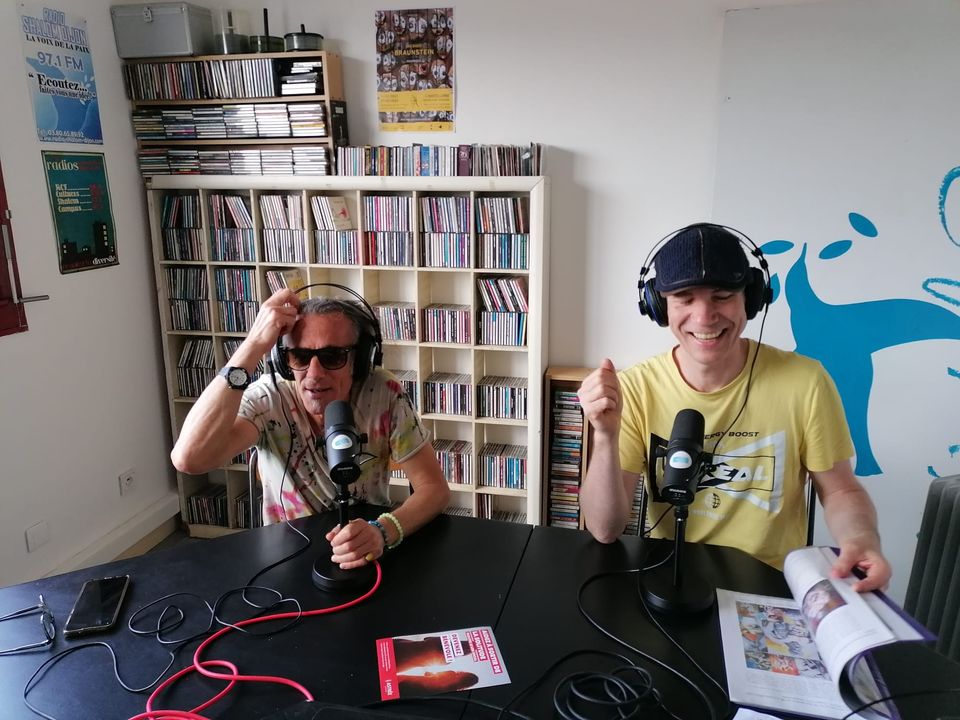
RADIO SHALOM et Vincenzo Cirillo PRESENTENT
» IL FUOCO D’ITALIA » EMISSION ITALIENNE RADIOPHONIQUE TOUS LES VENDREDIS 17h sur 97.1 FM ( Du 20 Septembre 25 au 31 Juillet 2026)
bla, bla italien au café des amis, chansons italiennes et autre, rappelez vous du Rdv à partir de septembre 2023 tous les vendredis à 17h sur Radio Shalom Bourgogne 97.1 en Fm avec Vincenzo Cirillo et les artistes, ses amis, le public Ecoutez LES PODCAST DE L’EMISSION IL FUOCO D’ITALIA
https://radioshalomdijon1.radiowebsite.co/podcasts/il-fuoco-d-italia-169/1
___________________________________________
JEUDI 4 MAI 20h FILM+ RENCONTRE AVEC LE REALISATEUR NAPOLITAIN LEONARDO DI COSTANZO+POT
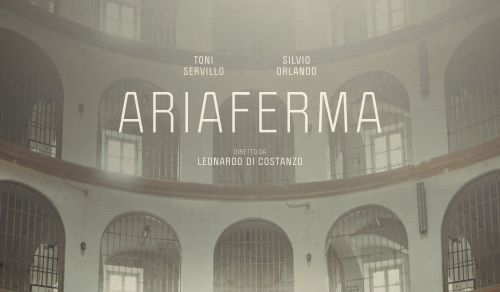
ARIAFERMA De Leonardo Di Costanzo
Accrochée aux montagnes sardes, une prison vétuste est en cours de démantèlement quand le transfert de douze détenus est soudainement suspendu pour des questions administratives. Gargiulo, le surveillant le plus expérimenté, est alors chargé de faire fonctionner la prison quelques jours encore, en équipe réduite. Lagioia, qui finit de purger une longue peine, entrevoit lui la possibilité de faire entendre les revendications des quelques détenus en sursis… Peu à peu, dans un temps suspendu, prisonniers et officiers inventent une fragile communauté.
|
|
Accrochée aux montagnes sardes, une prison vétuste est en cours de démantèlement quand le transfert de douze détenus est soudainement suspendu pour des questions administratives. Gargiulo, le surveillant le plus expérimenté, est alors chargé de faire fonctionner la prison quelques jours encore, en équipe réduite. Lagioia, qui finit de …
www.youtube.com
|